2026 – Photography, Sculpture, Archive material, Video
Work in Progress, Exhibition October 2026
Across the diaspora Black people are accustomed to encountering historical, political, colonial, and racist memorabilia. Produced in the US and Europe or imported from Asian countries as early as the mid-19th century, these items were intended for a white audience. They range from everyday objects—such as cookie jars, piggy banks, and salt shakers—to ephemeral materials. Found at flea markets, in antique shops, or at online auctions, “Black memorabilia” embodies both white history and the Black experience. Amidst the many white collectors and resellers, there are also Black individuals who are rediscovering their own experiences while “thrifting while Black,” as these shops are often filled with such memorabilia. For decades, these individuals have purchased artifacts to expand their personal collections and prevent the items from circulating further.
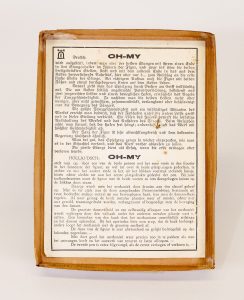
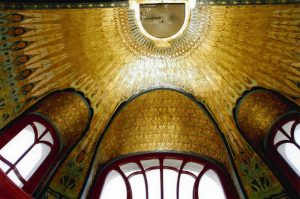
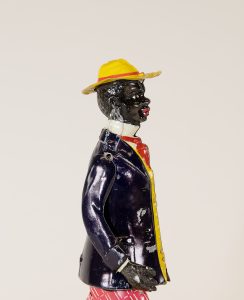
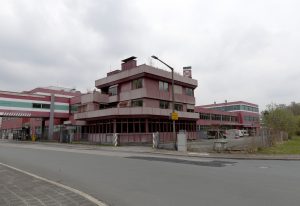
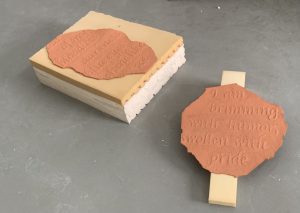
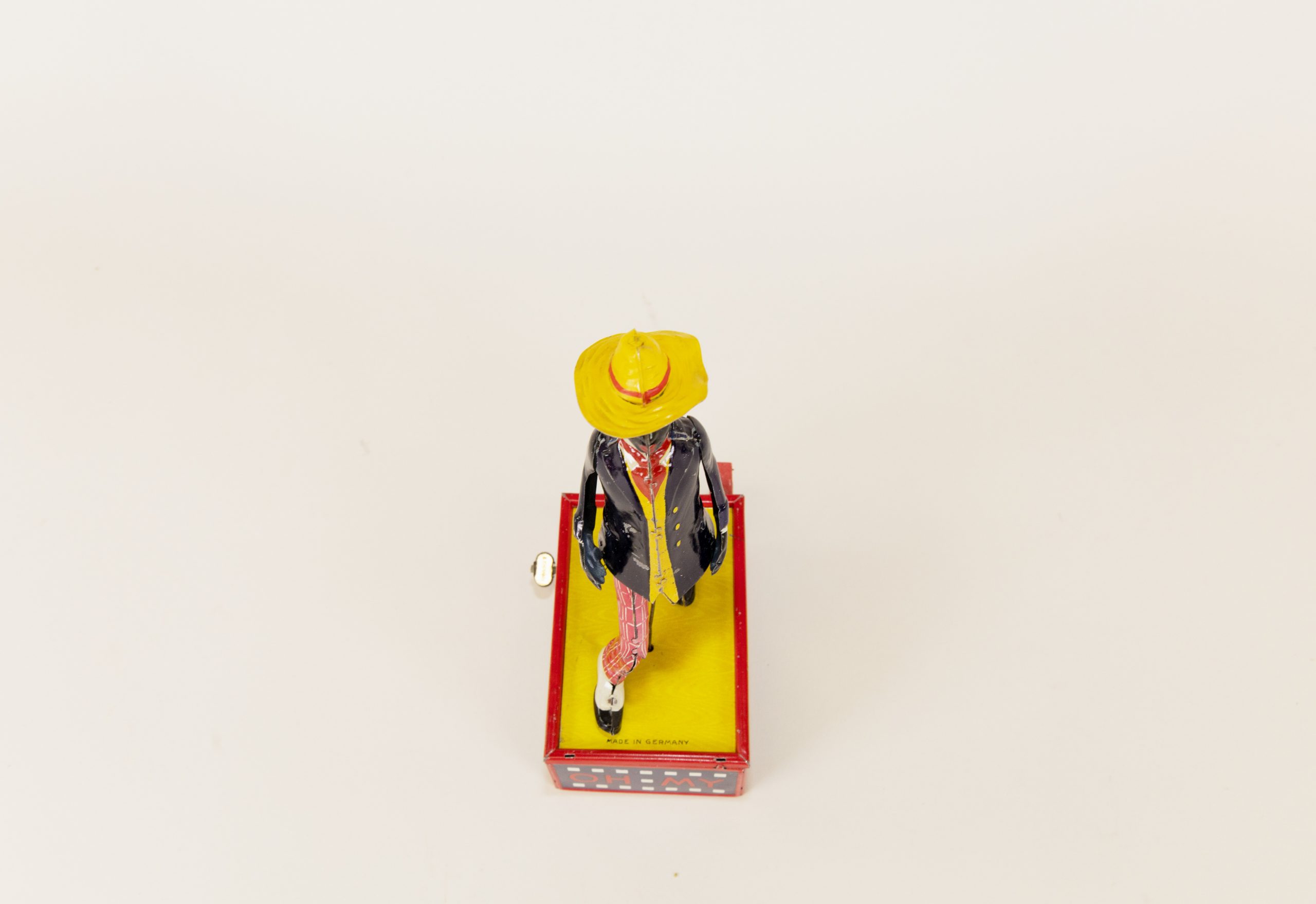
Immersed in the subculture of Black Memorabilia collectors, I have spent the past year researching this topic, stumbling ever so often upon artefacts that were Made in Germany. dust, settling follows the trail around a particular toy, the Alabama coon Jigger mechanical toy, which was designed, produced and sold between 1906 – 1945 in three editions by the company Ernst Paul Lehmann, whose story spans from Brandenburg to Nuremberg. This work showcases the difficulty that arrises in entering an incomplete, neglected archive. As during my Research even in collaboration with Museums the information on the figure this toy represents, its relevance to historical German pop-culture and connection to colonial propaganda was scattered, the installation emulates this very disorganisation. In contrast to my BA thesis, which eventually manages to bridges these gaps, dust, settling views the toy’s story as it was split between books, vintage advertisements, the internet, in private homes and on museum shelfs without proper contextualisation. The exhibition shows Ceramic Sculptures with altered text out of James Baldwins essay ‘stranger in the village’, objects relevant to archival practice, etched photography of the former toy factory and as well as my photography from Brandenburg and Nuremberg.